
Search Bartlett Death Index
Bartlett Death Index searches usually begin with Shelby County because the city, the county, and the state system all point to the same record trail. Recent deaths stay with the health department. Older deaths move into the historical archive and the county index. That makes Bartlett a practical place to start when you have a name, a rough year, or a need for a certified copy. The search is even easier when you know whether you want a public historical record or a modern certificate. Bartlett sits close to Memphis, so local and county records often work together instead of separately.
Bartlett Death Index Records
The Bartlett city FAQ is a useful local starting point because it points residents toward the Shelby County Health Department, the county clerk, and the register of deeds. The FAQ page at Bartlett's official vital records information explains that Bartlett residents can obtain death certificates through Shelby County. That makes the city search straightforward. It tells you where the active record path begins and keeps you from wandering through unrelated office pages.
Bartlett Death Index work becomes even more focused once you pair that city FAQ with the county health office. Shelby County Health Department Office of Vital Records is the local certificate source for deaths in the past 50 years, and the office can issue copies for Tennessee deaths through the statewide electronic system. The county register of deeds then gives you the historical index that can confirm names, dates, and certificate numbers before you ask for a copy. The county page at Shelby County vital records is the cleanest recent-record path.
The Bartlett image at the official Bartlett FAQ page fits the local search because it points straight to the offices that matter most for a Bartlett Death Index request.
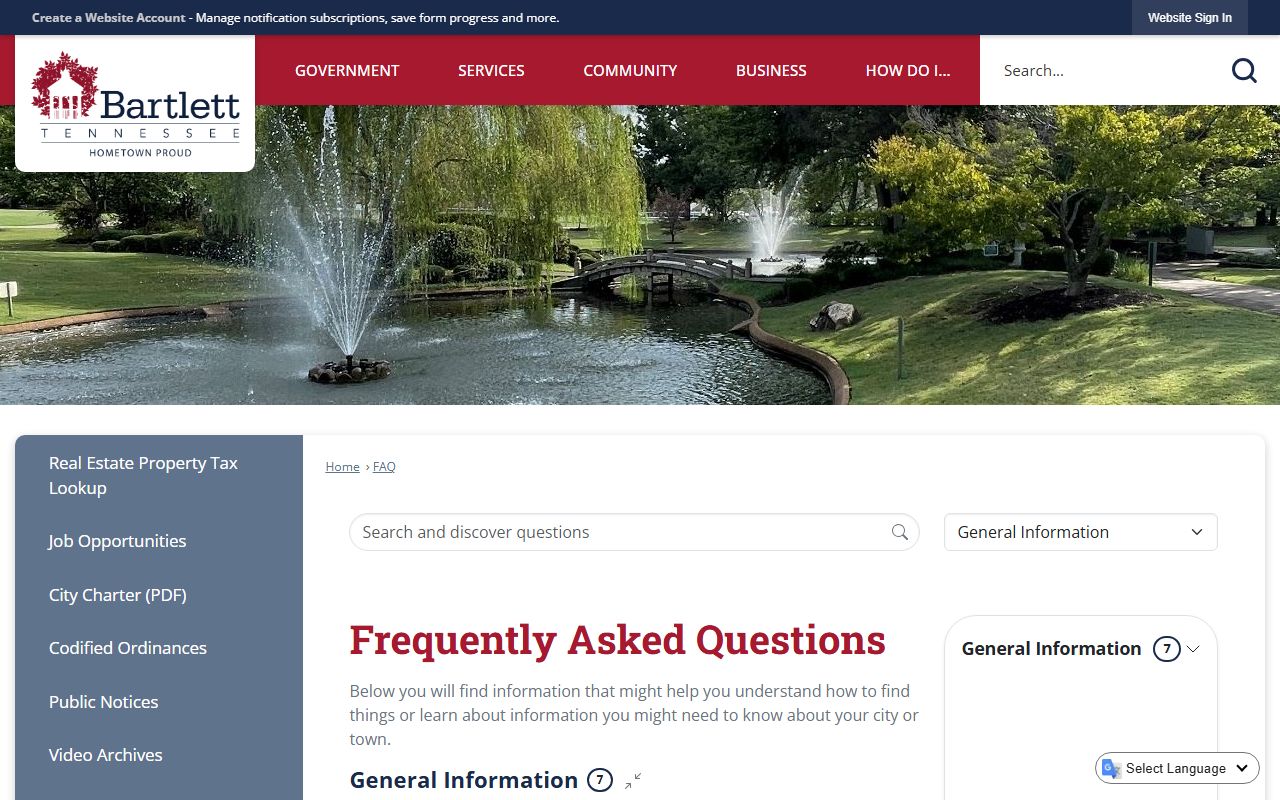
That city FAQ image works well as the first local checkpoint when you want a fast, city-centered path into the county record system.
How to Search Bartlett Death Index
Start with the full name, the best year you have, and a likely county. Bartlett Death Index searches move faster when you also note the spouse name, burial place, or funeral home if you know it. Those small details can help the county index match the right record, especially when a surname has more than one common spelling. Recent requests usually belong at the Shelby County Health Department. If the death is older, the county historical index and TSLA become more useful.
The Tennessee Office of Vital Records explains the current certificate process at vitalrecords.tn.gov/hc/en-us. That state portal is the right place to confirm the modern request path when you need a certified copy. If you want to order from home, the authorized online vendor is VitalChek. Those two state-level paths matter because Bartlett Death Index work often ends with a state-issued certificate, even when the search begins in the city.
If your first pass does not produce a match, widen the search instead of narrowing it. Use nearby date ranges. Check 1912 and 1914 if the person died around the missing 1913 gap. Bartlett researchers often find that a little patience at the start saves time later.
Bartlett Death Index and Shelby County
Shelby County carries the heavier part of the Bartlett Death Index trail. The county register of deeds keeps the online death records index from 1949-2014, which gives you a way to confirm a record before you ask for the certificate. The official county page at Shelby County Register of Deeds Tennessee Vital Records is the best place to check that index. It sits alongside the county health office and creates a clear two-step path for newer deaths.
That county system matters because Shelby County is one of Tennessee's strongest record centers. If the death happened in Memphis, Bartlett, or another Shelby County place, the office path can still be the same. The health department issues the modern certificate. The register of deeds gives you an index hit. TSLA takes over when the record becomes public historical material. That is why a Bartlett Death Index search can feel local and statewide at the same time.
For county context, the Shelby County Clerk page at the official county clerk office is useful for other county services that often appear in the same family file, such as marriage or vehicle records. It is not the death certificate office, but it helps show how the county record system fits together.
Historical Bartlett Death Index
Older Bartlett research usually turns into Tennessee history work. The Tennessee State Library and Archives holds the public death records once the confidentiality period ends, and the TSLA guide at TSLA vital records guide explains how that historical system works. TSLA is the right place to think about when a Bartlett search needs more than a certificate. It can help with older deaths, early city context, and records that are now open to the public.
Bartlett itself does not have the long city record run that Memphis does, so Shelby County and TSLA are the key partners for older work. That is not a drawback. It simply means the best Bartlett Death Index search looks at the county first and the state archive second. When you have a likely year, a spouse name, or a burial lead, you can usually move from one office to the next without much loss of time.
Note: Tennessee death records stay restricted for 50 years, so Bartlett researchers should separate recent certificate requests from historical record searches before they begin.
Bartlett Death Index and Next Steps
If the first record search does not settle the question, return to the local chain in a fixed order. Bartlett FAQ, Shelby County Health Department, Shelby County Register of Deeds, Tennessee Office of Vital Records, and TSLA cover most Bartlett Death Index needs. That order works because each office serves a different part of the timeline. The city FAQ points you to the county. The county health department issues the certificate. The register gives the index. TSLA handles older public records.
The result is a simple search path with a lot of reach. Bartlett researchers can stay local for recent requests and still reach the state archive when the record is older. If you are building a family line, that balance is useful. It lets you stay close to the place while moving across the record years that matter most.