
Search Cheatham County Death Index
Cheatham County Death Index research usually begins in Ashland City, where the county portal and health department point people toward current certificates and local office contacts. If you need a recent death certificate, an old index hit, or the right county office to ask first, it helps to know how Cheatham County routes requests. The county archives can also hold cemetery notes, funeral home files, and other clues that help turn a name in the Death Index into a usable record. This page keeps the search path local so you can move from a name to the right office with less guesswork.
Cheatham County Death Index Sources
Cheatham County's main portal at cheathamcountytn.gov is the best county-level starting point for a Death Index search. The site links to the Archives, County Clerk, Register of Deeds, and Health Services, so one search can lead you to more than one office. That matters in a county like Cheatham, where the same family may leave traces in health records, land files, and county papers. The county seat is Ashland City, and the county also includes Kingston Springs, Pegram, and Pleasant View.
The Cheatham County Health Department serves Ashland City and surrounding communities. It works inside Tennessee's electronic vital records system, so it can help with death certificates even when the death happened elsewhere in the state. For a recent Cheatham County Death Index request, that means you do not always need to start with Nashville first. If you know the county and approximate date, the local health department can often point you to the right certificate path without much delay.
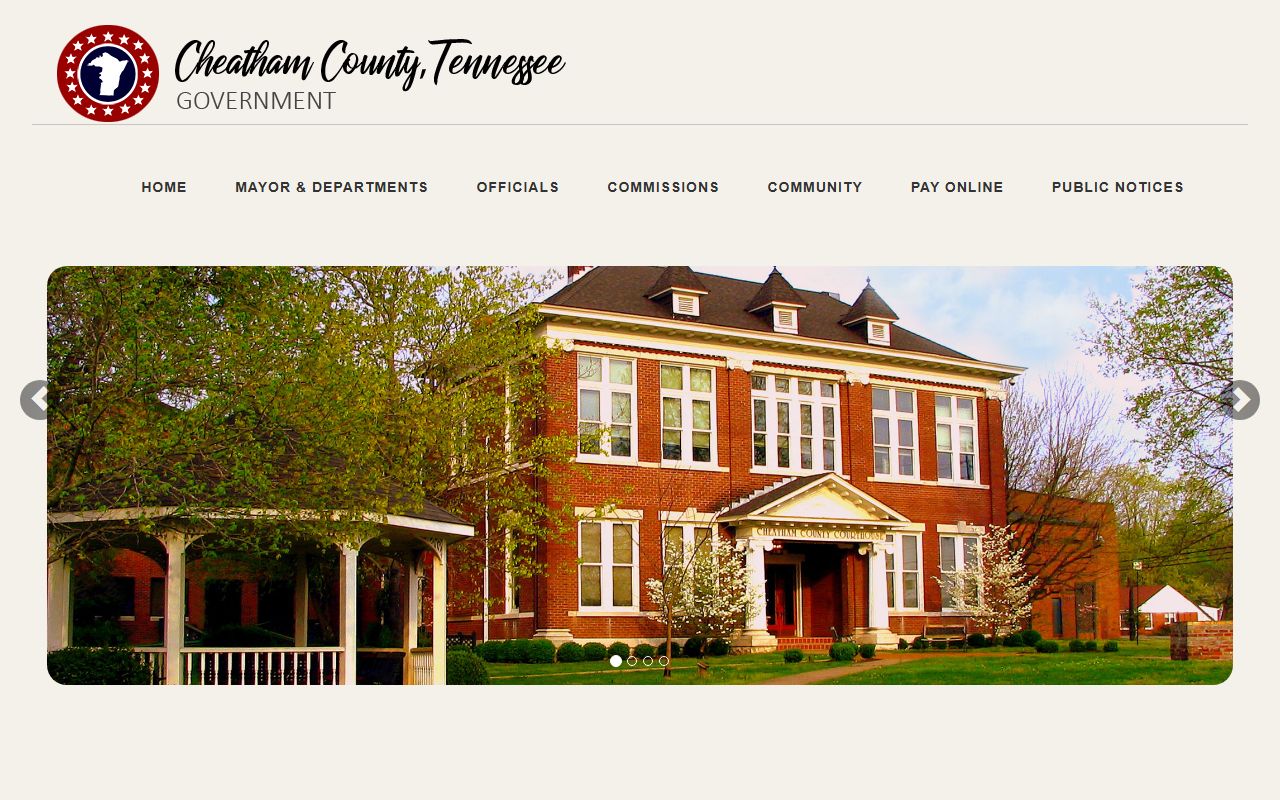
That county portal is useful because it ties the Death Index to the offices that still handle follow-up work after you find a name.
Cheatham County Death Index at TSLA
Historical Cheatham County Death Index research often moves from the county portal to the Tennessee State Library and Archives. The TSLA vital records guide explains that Tennessee death records from 1908-1912 and 1914-1975 are available in the historical set. The missing year, 1913, is the gap that researchers often call the dead year. If a death falls in that gap, you may need cemetery notes, obituaries, church registers, or a funeral home record to keep the search moving.
TSLA can search by name, county of death, and year range, which helps when the Cheatham County Death Index entry is incomplete or the spelling looks off. A short range is better than a broad guess. If you know only the surname, start with the county and a three-year window. When the index produces a certificate number, save it. That number is the cleanest way to ask for a copy or verify that you found the right person. The Tennessee Virtual Archive also helps researchers look at public historical death records once they have moved out of the restricted period.
Cheatham County Death Index Requests
For current records, the Tennessee Office of Vital Records main portal is the statewide home base. Tennessee's system lets any county health department issue a death certificate for a death that has been registered in the state, so a Cheatham County Death Index search does not have to end at a single counter. The state also explains the three main request routes in its how to get a certificate guide. You can go in person, mail a request, or order through VitalChek.
The standard fee for a certified death certificate is $15.00 per copy, and the state applies the same basic fee even when no record is found. If you are not an immediate family member, legal representative, beneficiary, executor, or funeral director, the Office of Vital Records may ask for extra proof under the entitlement guidelines. That is why it helps to know your role before you file a request. A clear Cheatham County Death Index hit with a certificate number can make the request faster and reduce back-and-forth with the office.
Cheatham County Death Index and Public Records
Cheatham County Death Index records sit at the point where Tennessee's public records rule and its vital records rule meet. The county records law favors access. The CTAS public records guide explains that county offices should make records open during business hours unless another law keeps them closed. But death certificates are still controlled by the Vital Records Act, especially T.C.A. § 68-3-205 and § 68-3-206, which limit who may get certified copies and cause-of-death data during the first 50 years.
That split matters in practice. A Cheatham County Death Index entry may be public long before the full certificate becomes open. County staff can often confirm that a record exists, but the right to hold or copy the full certificate depends on age and entitlement. CTAS also notes that county offices should answer requests within seven business days. That gives you a rough timeline if you ask the clerk, the health department, or the archives for help. If the office cannot release the file, it should still explain why and point you toward the law that controls the record.
What Cheatham County Death Index Records Show
A Cheatham County Death Index entry usually gives you the basics first. You may see the full name, date of death, county of death, certificate number, and sometimes the age or sex of the person. Once you move from the index to the full certificate, the file can add more value. The certificate may show the place of death, the burial company, the informant, the cause of death, and family details that help you confirm you found the right person. For older records, the spelling may shift from one document to another, so a near match is worth checking.
Those details matter when you are sorting common names. A good Cheatham County Death Index search often depends on small clues, such as a spouse's name, a parent, or a funeral home in the same town. If the county record is public, compare it with cemetery markers, obituaries, and deed records before you order a copy. That extra step can save time and keep you from paying to verify a bad match. The more pieces you collect, the easier it is to link the index entry to the right family line.
More Cheatham County Death Index Clues
Cheatham County Archives can add context when the Death Index gives you only a name and a date. The archives may hold cemetery records, funeral home records, and other local papers that make an index hit easier to place in a family timeline. If the person owned land, the Register of Deeds can also help you see when a property changed hands after a death. That is often the next clue after a Cheatham County Death Index search, especially for older families with repeated names across generations.
Keep the local towns in mind while you search. Ashland City, Kingston Springs, Pegram, and Pleasant View all sit inside the same county system, but the paper trail may move across churches, cemeteries, and family land in different parts of the county. The best search plan is simple: find the index entry, confirm the date, then look for the records that explain the rest of the story. For Cheatham County, that usually means a mix of county offices, TSLA history, and state vital records in one path.