
Coffee County Death Index
Coffee County Death Index searches usually begin with the county health department in Manchester, then move to state files and local archives when the record is older. Tennessee keeps recent death certificates under a 50-year limit, so the right path depends on the date of death and the kind of copy you need. This page keeps the focus on Coffee County Death Index access, where to ask for a copy, and where to look when the first search does not turn up a match.
Search The Death Index
Coffee County Death Index Access
The Coffee County Health Department, at 800 Park Street in Manchester, can issue certified death certificates through Tennessee's electronic vital records system. That matters because a Coffee County Death Index request does not have to stay in one office. If the death happened anywhere in Tennessee, the local health department can usually help with the request, even when the person died in another county. The office is the best first stop when you need a recent record and want to keep the search local.
For the statewide rules that shape a Coffee County Death Index request, start with the Tennessee Office of Vital Records at the state portal. The current state page explains the basic steps for a certified copy, the fee, and the way the office handles no-record results. It is also the place to check when you want a clean path for a recent record that has not yet reached TSLA or a local archive.
The state portal is useful for another reason. It shows that the County Death Index is not a single list with one door. Recent records stay under the state system, while older records move into the public history side of Tennessee's vital records work. That split is the key to a fast search in Coffee County, because it tells you whether to start in Manchester, Nashville, or the archives.
For a fresh copy, bring a valid ID and the details you already know. The record search goes faster when you have the full name, approximate date, and place of death. A clean request saves time for both the office and the family.
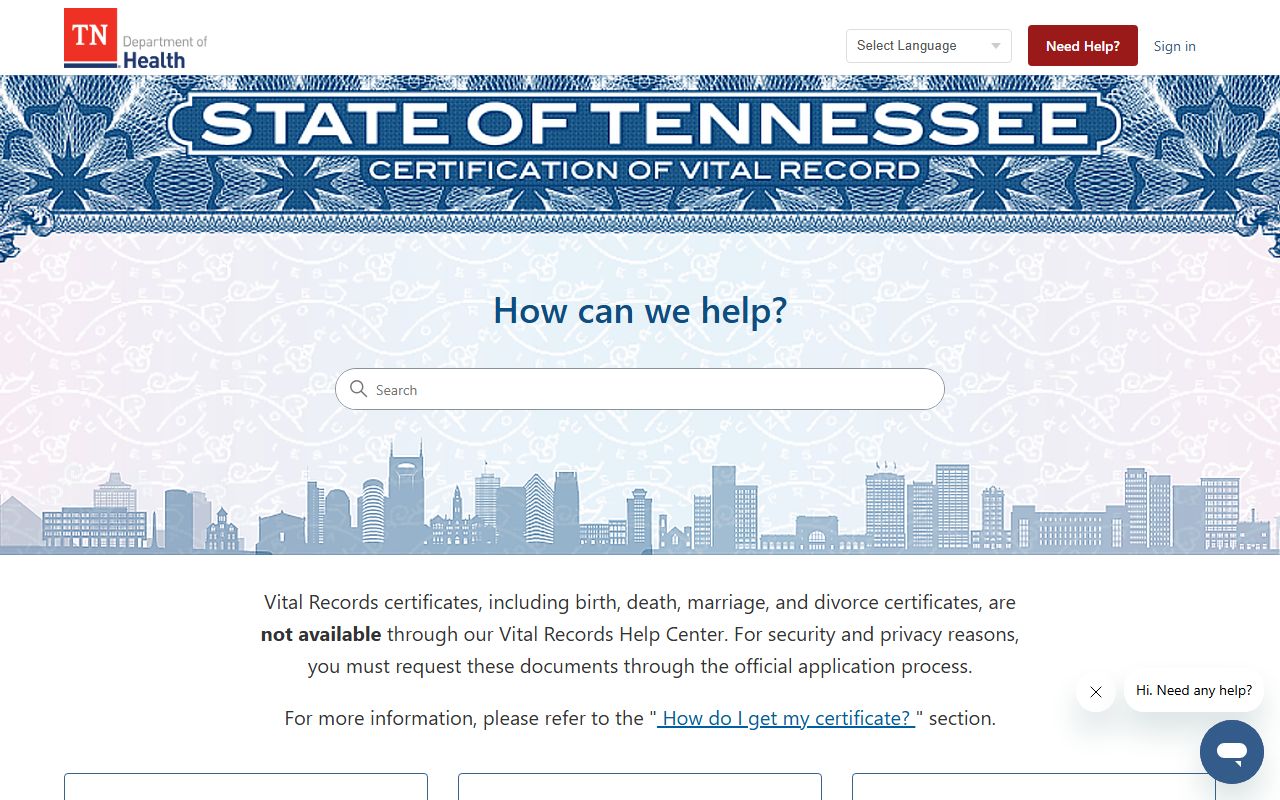
That office is the right starting point for recent Coffee County Death Index work and for any request that still sits inside the 50-year privacy window.
Coffee County Death Index at TSLA
Older Coffee County Death Index records often shift from the state office to the Tennessee State Library and Archives. TSLA keeps Coffee County death records from 1908-1912 and 1914-1975, and the research notes also point to earlier records abstracted from local sources. That makes TSLA the best next step when a Coffee County search goes past the modern certificate range. The county also has a state history guide at the TSLA Coffee County guide, which can help you sort out what is on file and what may still live in a local box.
Coffee County Archives are especially useful because they hold some early death records from 1838-1869. Those records predate statewide registration, so they can fill gaps that no state index can cover. The archives material is available through interlibrary loan from TSLA, which gives a Coffee County researcher a second path when a death falls in the early county years. This is where the Coffee County Death Index gets more than a line on a screen. It becomes a search across county memory, archived paper, and state copies.
That history also explains the 1913 gap in Tennessee death registration. If a Coffee County death falls in that year, a user may need to widen the search and check local sources, church records, cemetery data, and funeral home files. TSLA can help with the years it holds, but the year 1913 is still the missing year that makes many searches slower than expected.
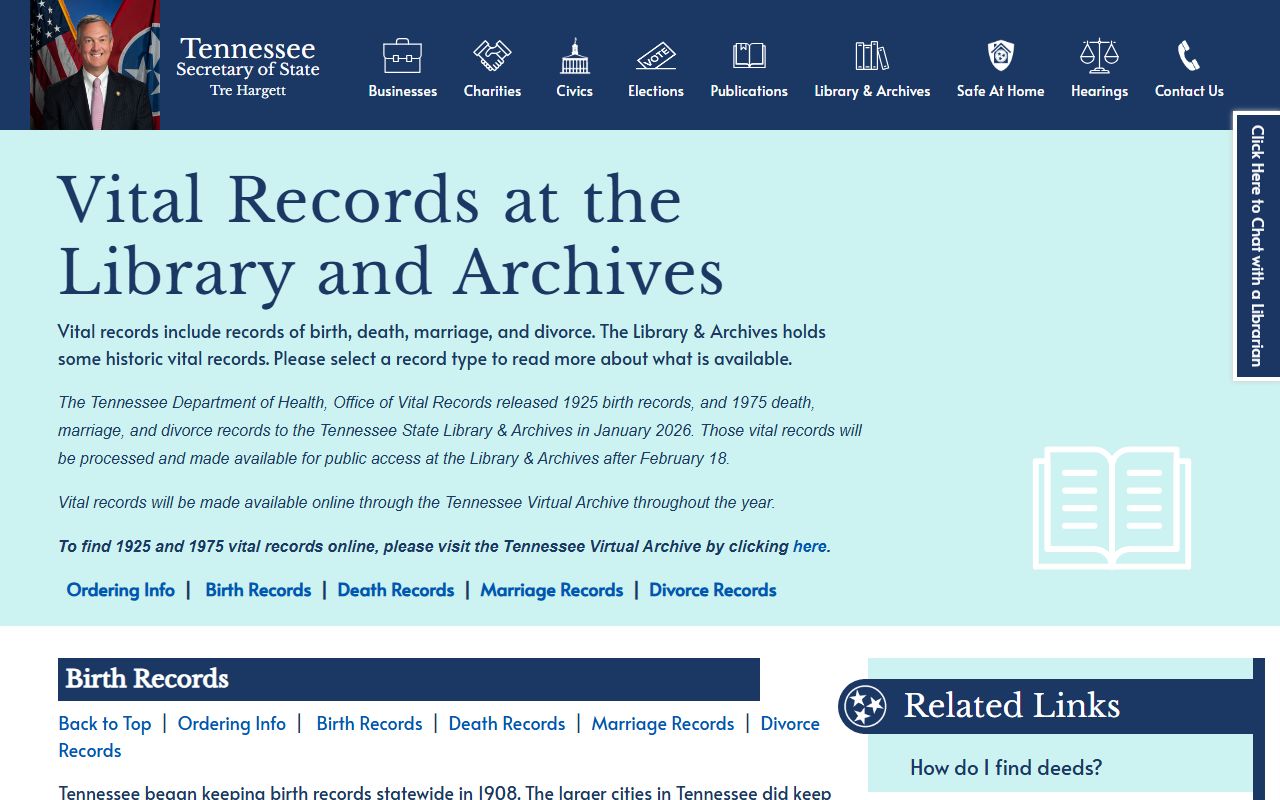
That guide is the best map for older Coffee County Death Index work because it shows where the public records begin and how the historical holdings are organized.
Request A Death Index Copy
A Coffee County Death Index request usually needs the decedent's full name, date of death, place of death, sex, and funeral home name. The Tennessee Office of Vital Records says a certified copy costs $15, even when the record cannot be found and a no-record certification is issued instead. If you ask for a recent certificate, you will also need a valid form of ID or a notarized application. That rule keeps the process tight and protects the cause of death fields that are still restricted. The state explains those limits in its entitlement guidelines.
There are three common ways to request a Coffee County Death Index record. You can go in person to a county health department, mail a signed application and ID copy to Tennessee Vital Records, or use VitalChek online. VitalChek is the only official online vendor named by the state. It is useful when you do not want to make the trip to Manchester or Nashville, but it still follows the same eligibility rules. For a simple walk-through of the process, the state also provides its certificate instructions.
The Tennessee Department of Health makes one more point that matters for Coffee County Death Index work. Any county health department in the state can issue a death certificate for any Tennessee death, so the office near you is often the fastest place to start. If you only need basic proof of death for genealogy or filing work, the state genealogy page at the genealogy research guide explains how public access opens after 50 years and how TEVA can help with released records.
Note: For Coffee County Death Index searches, the date of death matters more than the city name because Tennessee routes recent records, historical records, and early county copies through different systems.
Coffee County Death Index Research Notes
Coffee County Clerk marriage records date from 1853, which can help when a death record is hard to place. A spouse name, marriage date, or old address can be enough to separate one person from another with a similar name. That kind of clue is often what turns a slow Coffee County Death Index search into a useful one. The clerk is not the place for a death certificate, but the office can still support the search by filling in family details that show up in the vital record file.
When the archives and the health department are both quiet, move outward. Look at cemetery records, funeral home notes, church rolls, and local history files. Coffee County's early death record material runs into the pre-statewide years, and that means a family search may need more than one record type. The county archive, the state archive, and the current health department all play different parts in the Coffee County Death Index story, and each one solves a different kind of problem.
That layered search is normal in Tennessee. Recent death certificates sit behind privacy rules, older records move into public history, and local county records often fill the gap between the two. Once you understand that pattern, Coffee County Death Index research gets much easier to plan and much easier to finish.