
Fentress County Death Index
Fentress County Death Index research often needs more than one source because a 1905 courthouse fire destroyed many early records. That loss makes the county more dependent on state records, local history groups, and the surviving office files in Jamestown. If you are searching for a family death, start with the name and a year range, then move outward to TSLA and local repositories. A careful search is the best way to avoid missing a record that survived outside the courthouse file.
Fentress County Death Index Overview
The Fentress County Health Department at 108 East Central Avenue in Jamestown can issue death certificates through Tennessee's electronic vital records system. The county clerk at P.O. Box 10 in Jamestown provides administrative services, but the courthouse fire makes the county trail less complete than in some other places. That is why the Fentress County Death Index should be treated as a starting point, not an ending point.
For the state side, the Tennessee State Library & Archives is the key archive source. Its general site at sos.tn.gov/tsla gives you a place to begin when the county file is weak. The archive side matters even more here because many early records were lost, and surviving death references may show up in a different record set first.
Local history resources also matter in Fentress County. The Fentress County Historical Society, the Fentress County Archives, and the Fentress County Public Library can all help with local history, family clues, and newspaper leads. Those are not replacements for the Death Index, but they often help identify the right person before you request the record.
The Tennessee State Library & Archives home page at the TSLA site is the best broad start when a Fentress County Death Index search needs an archive path.

That archive page is useful because it reminds you that old deaths may survive in TSLA even when the county courthouse file does not.
How to Search Fentress County
A Fentress County Death Index search should start with the least common clue you have. That may be a middle name, a cemetery, or the name of a spouse. Because the county lost so many early records, broad guessing can waste time. Narrowing the family line first usually works better.
Before you search, gather these details:
- Full name and any spelling variants
- Approximate year or decade of death
- Town, cemetery, church, or funeral clue
- Name of a spouse, parent, or child
If the death is recent, the county health department is the most direct contact. If the death is historic, TSLA and local repositories are better. The Tennessee death-record system also uses one statewide request structure, so the same rules apply in Fentress County that apply elsewhere in Tennessee.
That statewide structure is explained in the Tennessee genealogy research page at Tennessee Genealogy Research. It is a good companion source when a Fentress County Death Index search becomes a broader family-history search.
In practice, the Fentress County Death Index works best when you use it with the cemetery, probate, and library clues that survived the fire.
Note: A missing early result in Fentress County may reflect the 1905 fire, so it helps to check alternate records before you assume the person is not in the county file.
Fentress County Death Index and the Fire
The 1905 courthouse fire is the biggest local fact to remember in Fentress County. The supplemental research says it destroyed many early records, including marriage records from 1823 to 1904 and probate records from 1823 to 1904. That means a Fentress County Death Index search can run into missing support records, even when a death did happen in the county.
That loss changes how you search. If the death index is thin, use the historical society, the archives, and the public library in Jamestown to look for newspaper notices, family files, and cemetery notes. The Historical Society at 103A Smith Street, the Archives at 101 South Main Street, and the Public Library at 306 South Main Street each bring a different kind of help to the same search problem.
The county clerk still matters, but the fire means you may need to ask several places before you get the right answer. A death record can leave traces in land transfers, estate notes, church registers, and family histories even when the courthouse copy is gone. That is why the Fentress County Death Index should be part of a wider research plan.
When the county file is missing, the surviving local records often become the real route to the person you want.
Note: The fire did not erase every clue, but it did make the Fentress County Death Index much more dependent on local history sources and TSLA.
Fentress County Death Index at TSLA
The Tennessee State Library & Archives holds the main archive trail for Fentress County death records from 1908 to 1912 and 1914 to 1975. The research file also points to the TSLA county guide at Fentress County guide. That guide is especially important in a county with a courthouse fire because it helps you move from the county story to the state record set.
TSLA can be the best place to confirm a death date when the Fentress County Death Index is incomplete. It is also where many researchers go after the first local clue, because the state archive can hold older records that are public and easier to search by year. The archive route is often the cleanest way to rebuild the paper trail.
The TSLA vital records guide at Vital Records at the Library and Archives is another useful reference, especially when you want to know which years are likely to be indexed or public. It saves time and keeps you from searching the wrong office.
If you are working on a Fentress County Death Index search for an older family, TSLA is the place to check before you give up on the county trail.
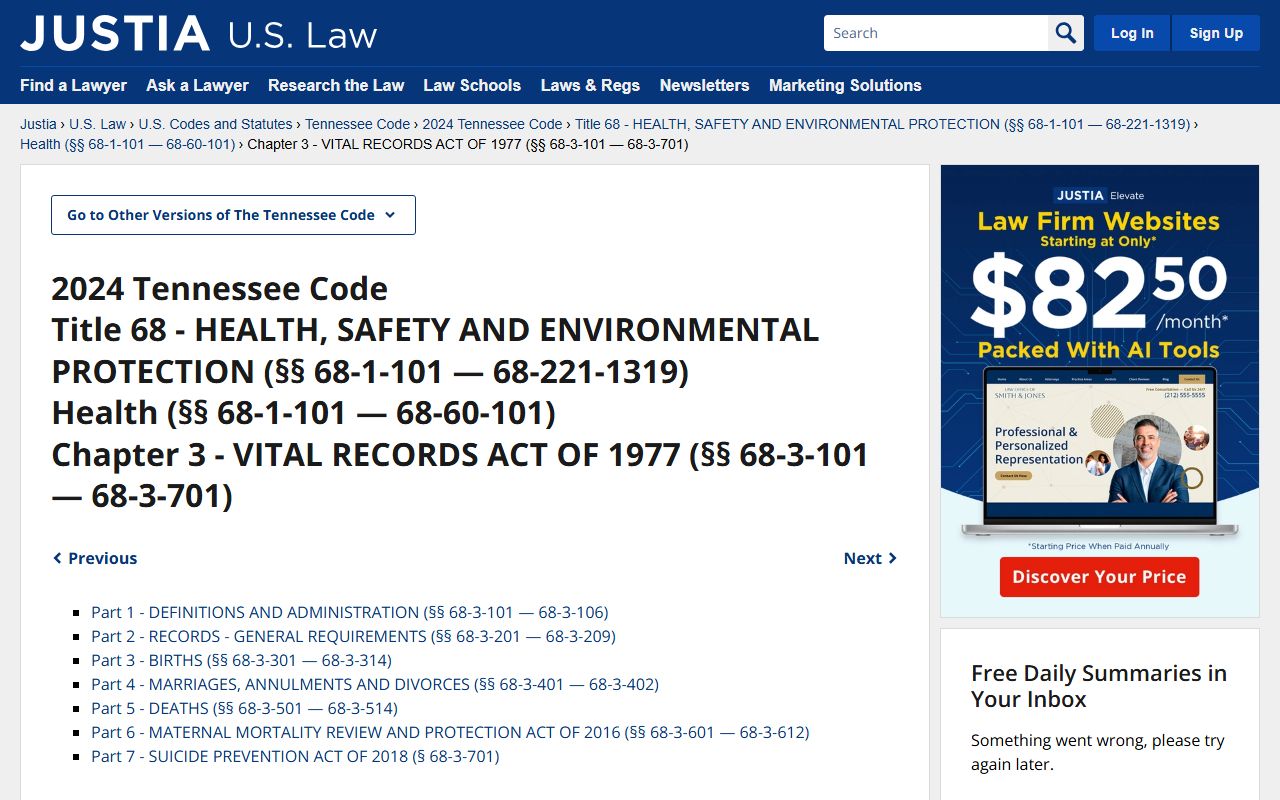
That code reference is helpful when you need the legal structure behind request rules, confidentiality, and the move from restricted records to public archive access.
Fentress County Death Index Requests
Once you have a Fentress County Death Index hit, the next step depends on how old the record is. Recent death records are confidential for 50 years, so the state access rules matter. The public-records summary at Tennessee Public Records Statutes helps explain that access path in plain terms, and the Tennessee code at Title 68, Chapter 3 gives the legal framework.
For a newer death, the Fentress County Health Department is the county contact. For a historic death, TSLA is usually the better route. The state certificate request page at How do I get my certificate and the entitlement page at Entitlement Guidelines are the most useful state references when you need to order, prove eligibility, or choose the right office.
Fentress County's local history groups can help with a request too. If the death index entry is vague, a cemetery or obituary clue from the Historical Society, Archives, or Library may be enough to match the right person before you order a certified copy. That can save time and cut down on wrong requests.
The cleanest Fentress County Death Index workflow is simple: use the index, test the date against the fire loss, then choose the county office, TSLA, or state request path that fits the age of the record.