
Johnson County Death Index
The Johnson County Death Index is a useful first step when you need a name, a year, and a place to start in Mountain City. The county health department provides access to Tennessee’s vital records system, the county clerk gives general county help, and TSLA holds the older death records. That makes Johnson County a clean search environment. If the record is recent, stay local. If it is old, move to the archives. The Death Index helps you decide which way to go.
Johnson County Death Index Basics
Johnson County Death Index searches usually start small. A county like Johnson is easier to work when you already know the person’s name or at least the family line. The health department at 715 West Main Street in Mountain City is the main local office for recent death certificate help, while the county clerk at P.O. Box 48 can answer basic county questions. Those two offices are the local foundation for a search.
Recent Tennessee death certificates are still restricted for 50 years. That means the Johnson County Death Index may show you a record before the office can release the full copy. If the death is inside that window, you may need proof of entitlement. If the death is older, the archive copy is usually the better target. The age of the record tells you which path to take.
For Johnson County genealogy, the index is most useful when it separates a current record from an older one. That saves time and helps you avoid asking the wrong office for a copy. It also means the Death Index can work like a switch, sending you toward county help or state archive help depending on what you find.
Johnson County Death Index Sources
The Johnson County Health Department provides public health services and access to Tennessee’s vital records system. The county clerk provides administrative services, which helps when you need a basic county answer or a pointer toward another office. For older records, the state archive set is the key historical source. Johnson County death records from 1908-1912 and 1914-1975 are available at TSLA.
The Tennessee Office of Vital Records at vitalrecords.tn.gov is the main source for recent death certificate requests.
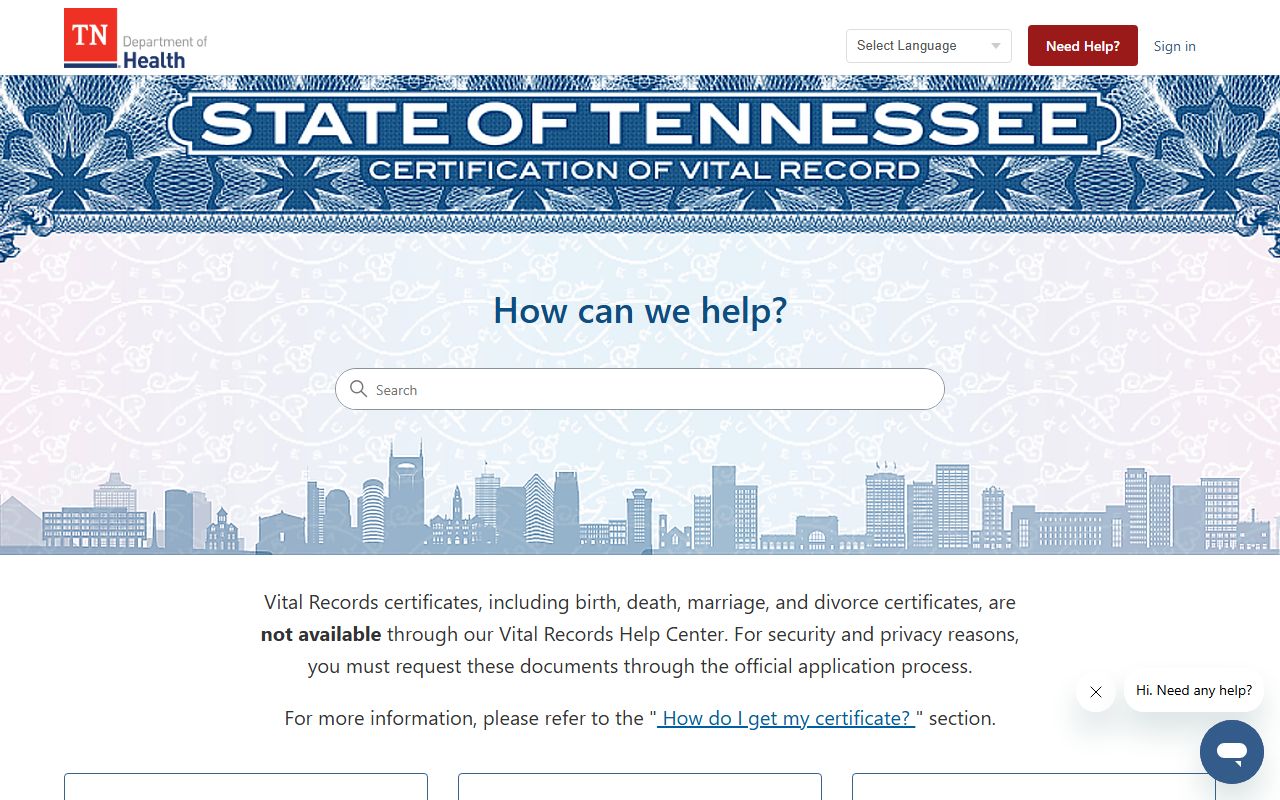
It is the right place for a recent death record that is still under the state rule.
The Tennessee Department of Health portal at tn.gov/health explains the statewide vital records system.
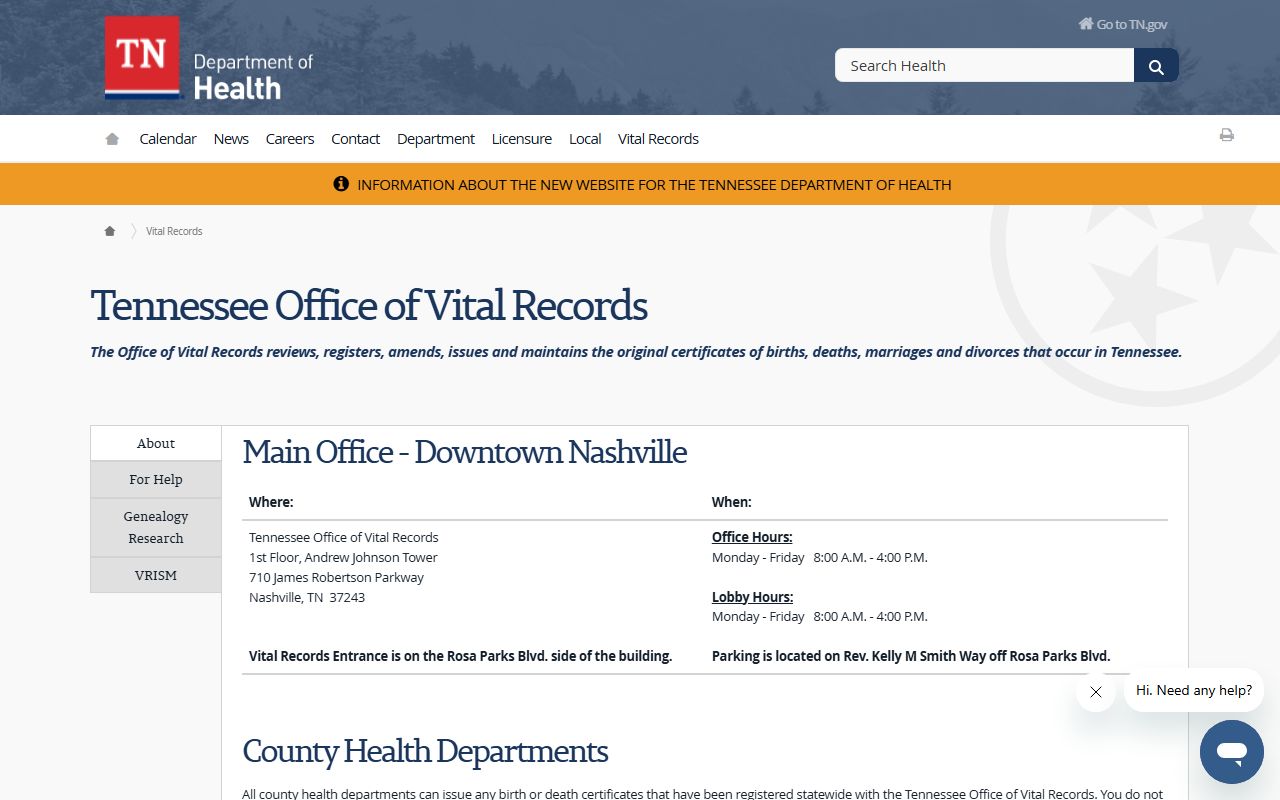
That page helps when you want the county role explained by the state office.
The state guide How do I get my certificate is a quick way to compare request methods.
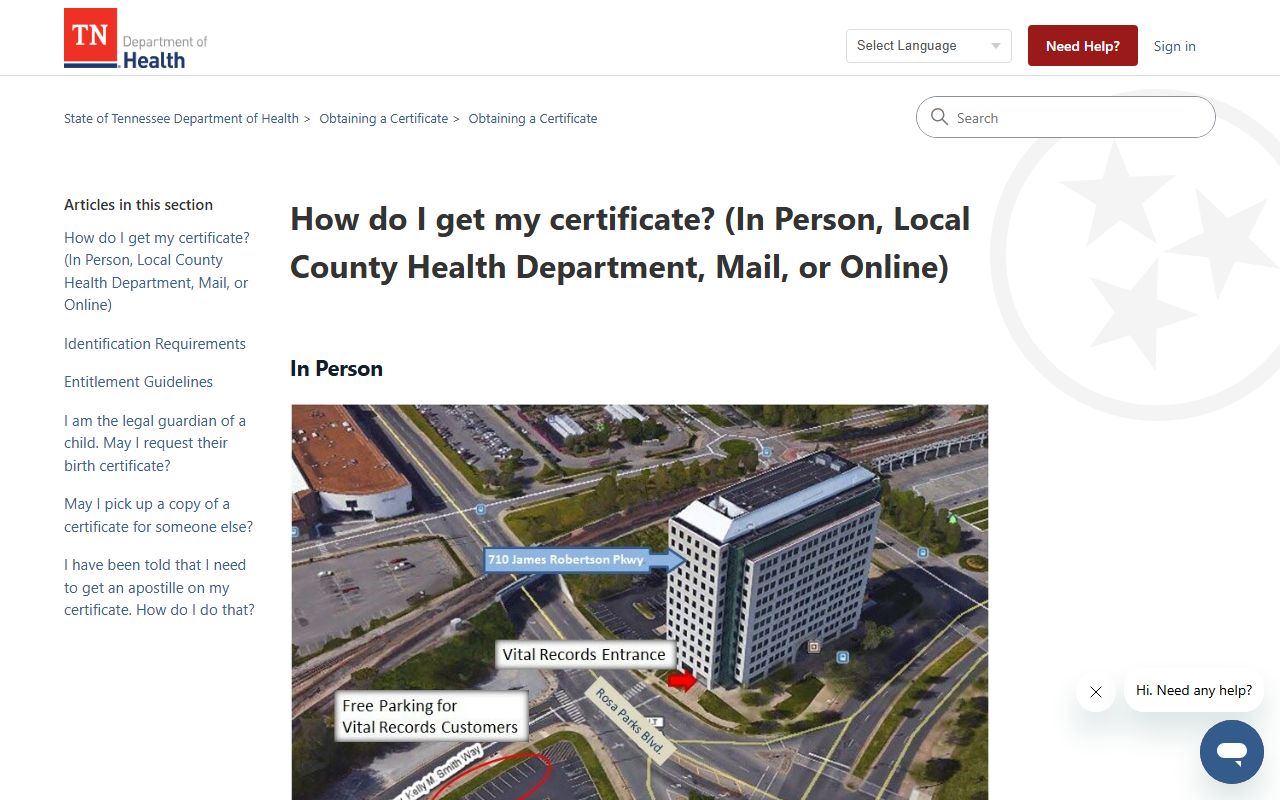
Use it when you are deciding whether to visit, mail, or order online.
The entitlement page at Entitlement Guidelines explains who can receive a recent death certificate.
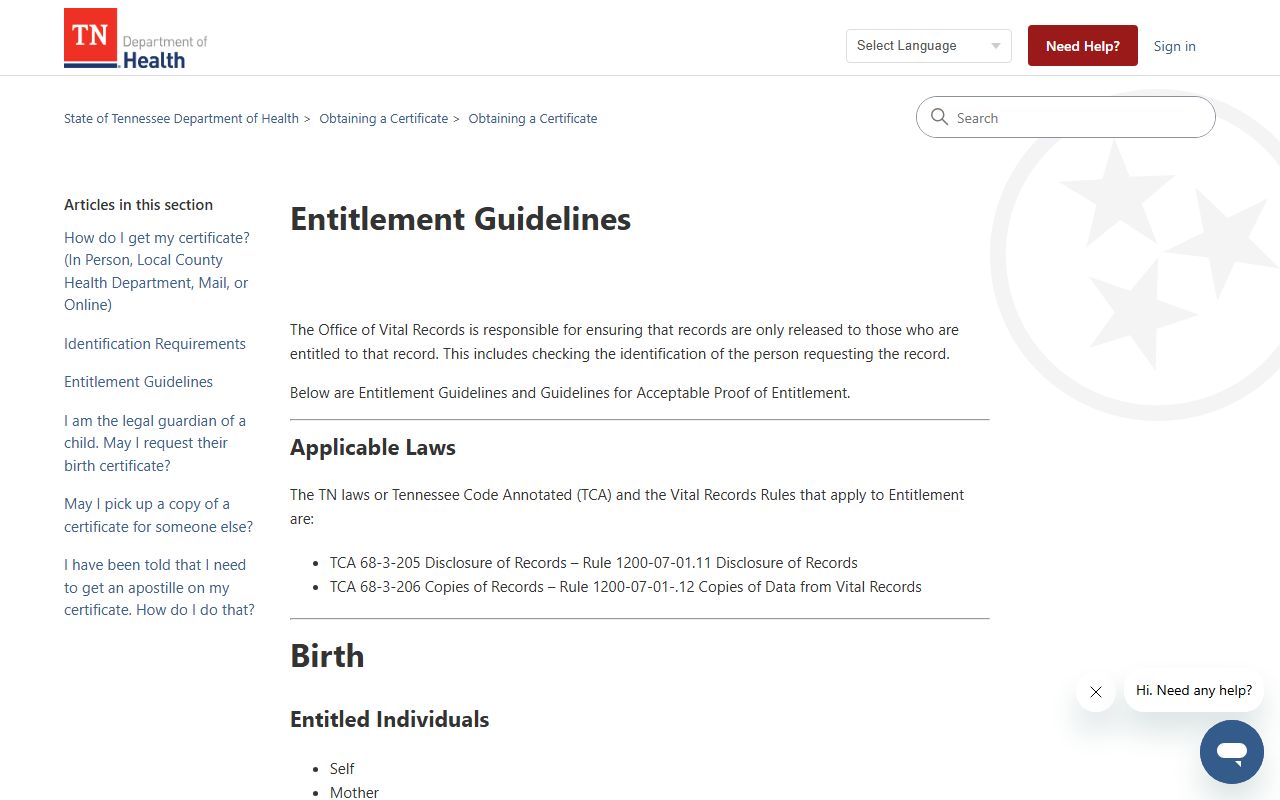
That matters when the record is still within the restricted period.
The authorized online vendor is VitalChek.

That route works well when you need a certified copy and cannot visit in person.
Johnson County Death Index and Archives
Older Johnson County Death Index work moves to TSLA. The archive set for the county covers deaths from 1908-1912 and 1914-1975, which makes it useful for both genealogy and proof of death. The historical copy can show details that the index leaves out, such as parents, spouse clues, or place of death. That is especially helpful in a county where the local search starts simple.
The TSLA vital records guide at TSLA vital records guide explains the public access process after 50 years.
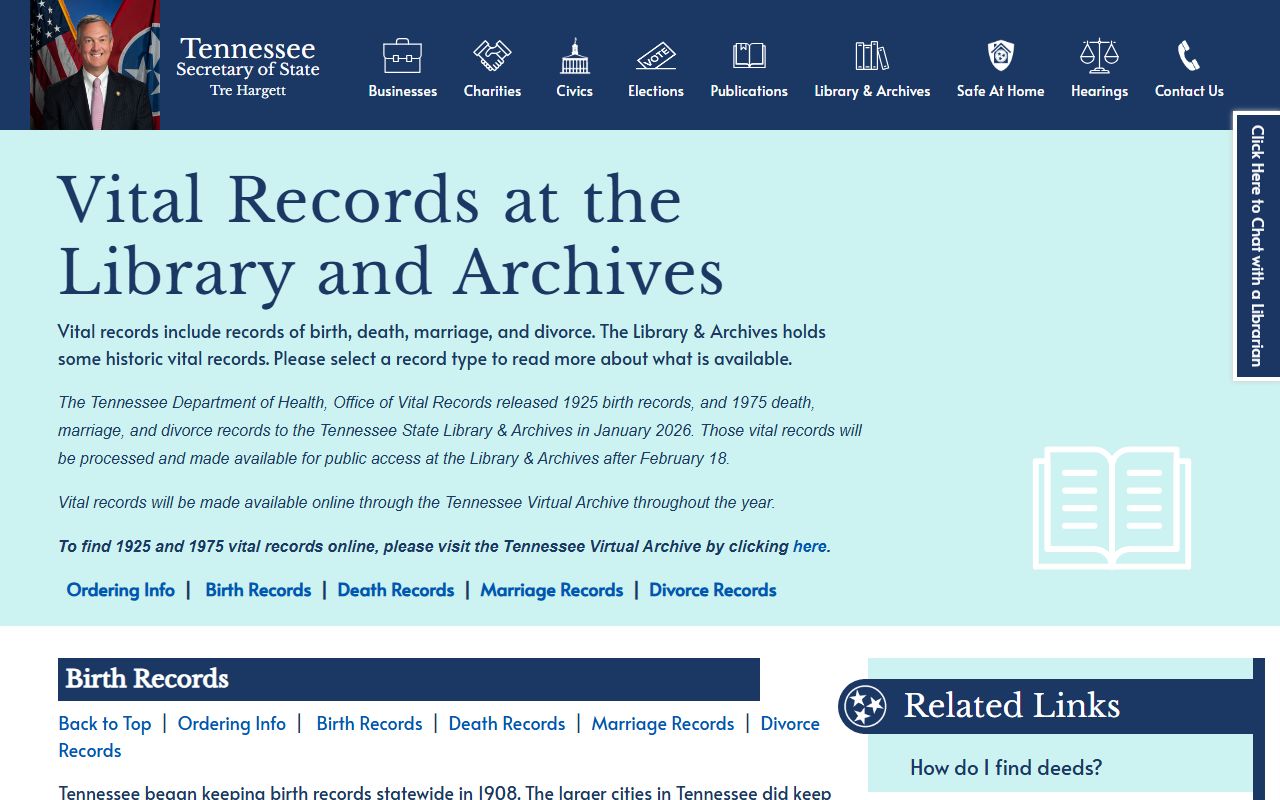
That guide is the clearest way to understand the historical record rules.
The archives portal at sos.tn.gov/tsla gives you the broader search tool set.

It is the right place when the county office cannot fill the gap.
The genealogy page at genealogy research adds another layer for old family searches.
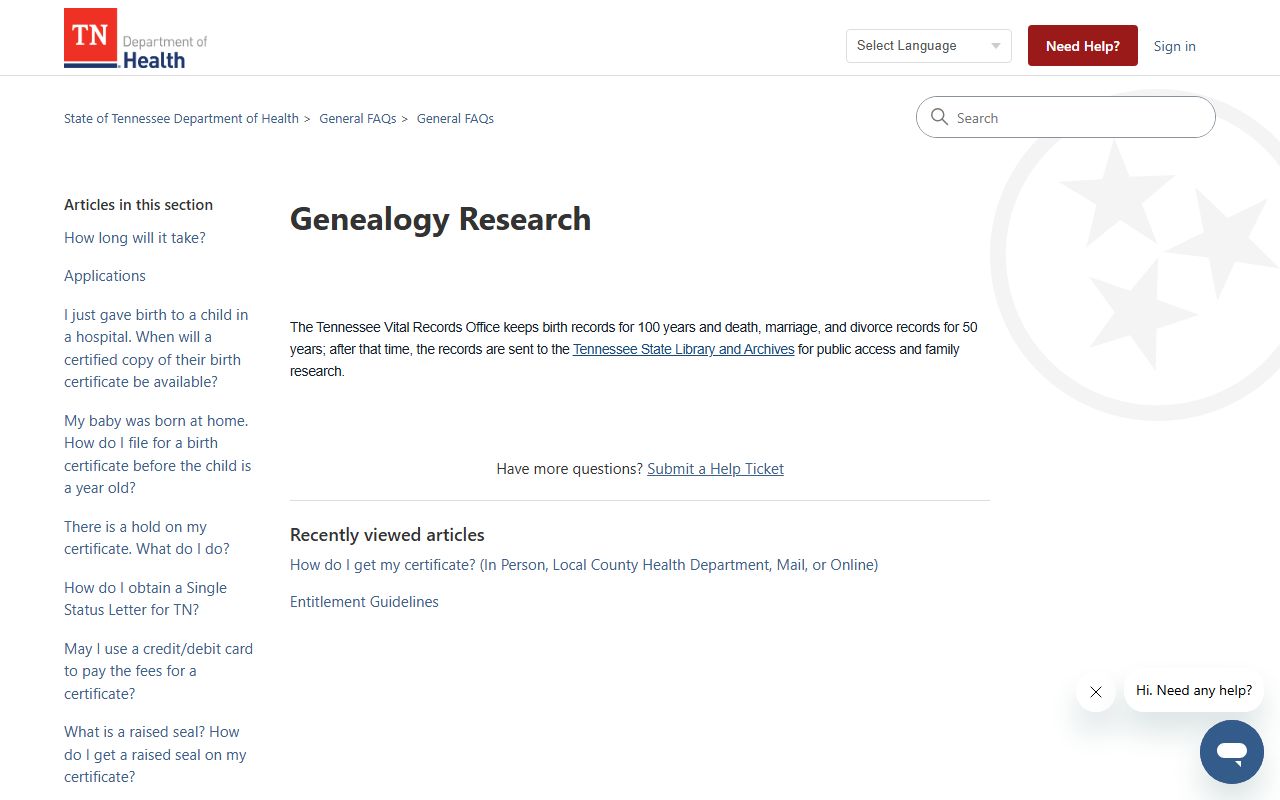
It is useful when you need a wider family view, not just the certificate.
The Tennessee Code Annotated page at Tennessee Code Annotated shows the legal framework for access and privacy.
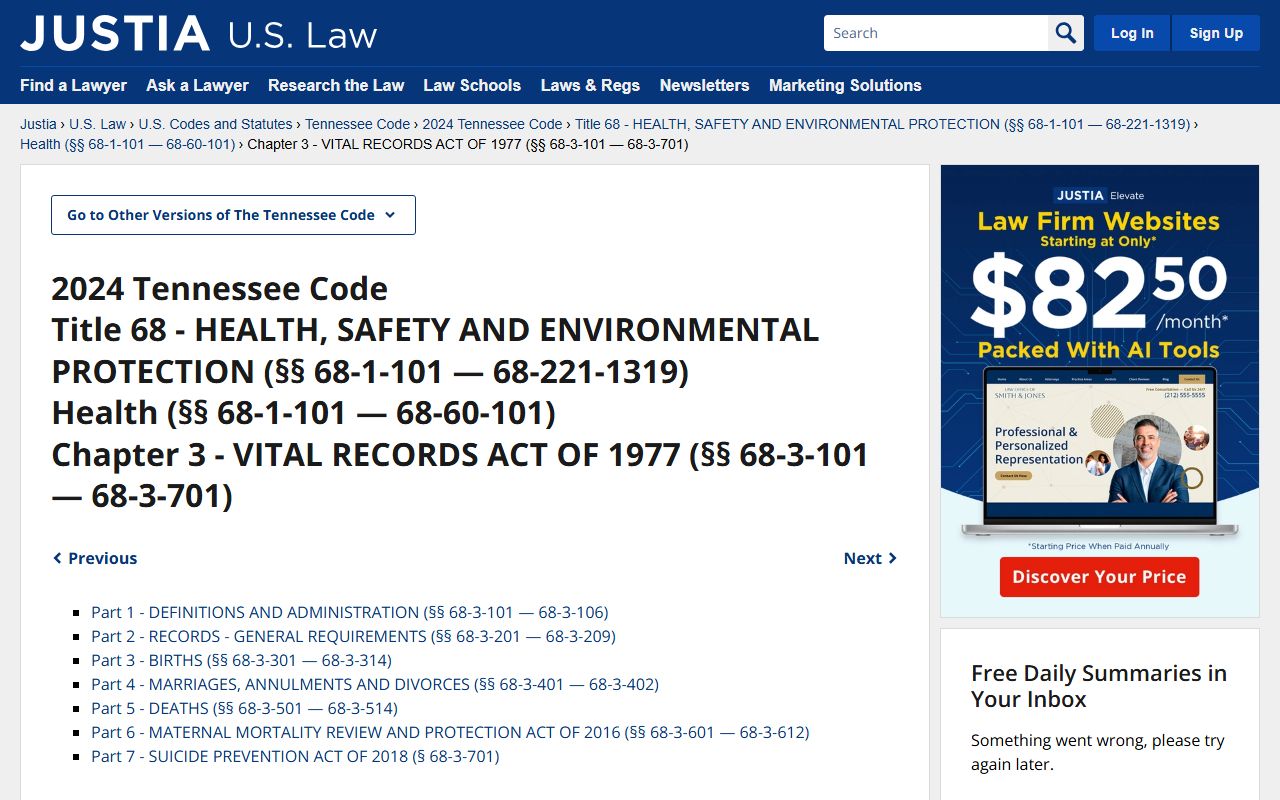
That legal context explains why the county and state offices handle records the way they do.
Johnson County Death Index Search Steps
Start with the name and the year. If the surname is common, add the spouse or town. A Johnson County Death Index search works best when you do not force it into one exact date too early. A wider range often finds the right entry faster.
Recent deaths belong with the county health department. Older deaths belong with TSLA. The county clerk can still help with general direction, but the record age should control the office choice. That keeps the search simple and avoids a lot of backtracking.
When the first search does not produce a result, try a second pass with a different spelling or a broader range. The Death Index is more useful when you treat it like a path finder instead of a final answer.
Johnson County Death Index Copies
For recent records, the county health department is the local route. The office can help with Tennessee death certificates through the statewide system. That is useful for people who live in Johnson County but need a certificate from another Tennessee county.
For older records, TSLA is usually the better fit. The historical record set for Johnson County gives researchers a clear way to find public copies once the 50-year rule has passed. If the Death Index entry is old enough, the archive may be the fastest path to a usable copy.
Note: Bring proof of eligibility if the record is still restricted.
Johnson County Death Index Tips
Use a full name if you have it. If not, use the family line and the county seat. Johnson County searches are easier when you keep your clues tight and your date range wide enough to catch small spelling shifts.
Local for recent, archive for old. That rule works cleanly here. It keeps the Death Index useful and prevents the search from drifting into the wrong office or the wrong record set.
The Johnson County Death Index is best used as the first step in a short chain: index, office, copy, then archive if needed. That keeps the search moving and makes the record trail easier to follow.