
Smith County Death Index
Smith County Death Index research starts in Carthage with the county health department and the county clerk, but older records still move to TSLA. That means the index is the first thing to check, not the last. If you begin with a name and a year, you can usually tell whether you should ask the county office for a recent certificate or switch to the state archives for a historical record. That simple choice keeps the search in Smith County direct and practical. The Smith County Clerk at P.O. Box 218 can help with county administration, while the health department at 219 South Front Street handles the vital-records side of the search.
Smith County Death Index Basics
The Smith County Death Index helps sort a search before you ask for a copy. It can point you to a recent certificate, a county contact, or a historical record from TSLA. That matters because the Smith County Health Department at 219 South Front Street in Carthage can help with recent deaths, while the county clerk provides administrative services and general county direction. The index lets you move between those places without guessing.
Recent Tennessee death certificates stay restricted for 50 years. That means a Smith County Death Index entry may tell you the record exists before the office can release the copy. If the death is still within the restricted period, the office may ask for identification and proof of entitlement. If the death is older, the historical copy may already be available through TSLA. The age of the record should control the route you take.
Smith County is a smaller county, so common surnames can repeat. The Death Index is useful because it helps you sort those names before you ask for the wrong person. A spouse name, a town, or a rough year can make the search much cleaner and a lot faster.
The Smith County Clerk at P.O. Box 218, Carthage, TN 37030, is part of the local research picture even when it does not hold the death certificate itself. If you need to confirm a filing trail, identify a county contact, or narrow down where a family matter belongs, the clerk's office can help orient the search before you move to the health department or TSLA.
Smith County Death Index Sources
The Smith County Health Department provides public health services and access to Tennessee’s vital records system. The county clerk provides administrative services for the county. Those local offices are the first stop for recent requests and a strong starting point for county research. For older records, TSLA holds the historical record set for Smith County.
The Tennessee Office of Vital Records at vitalrecords.tn.gov is the main state source for recent death certificates.
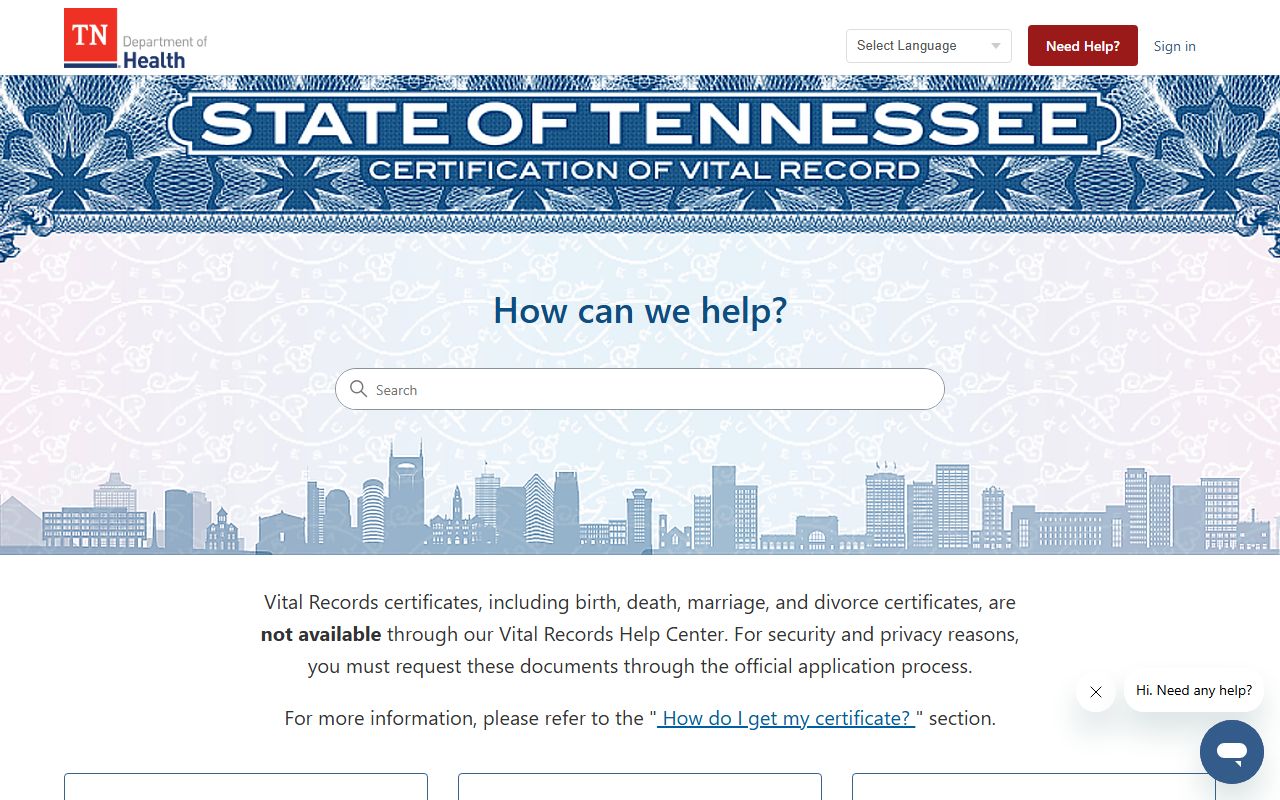
It is the right place to start when the record is still under the privacy limit.
The Tennessee Department of Health portal at tn.gov/health explains the statewide record system.
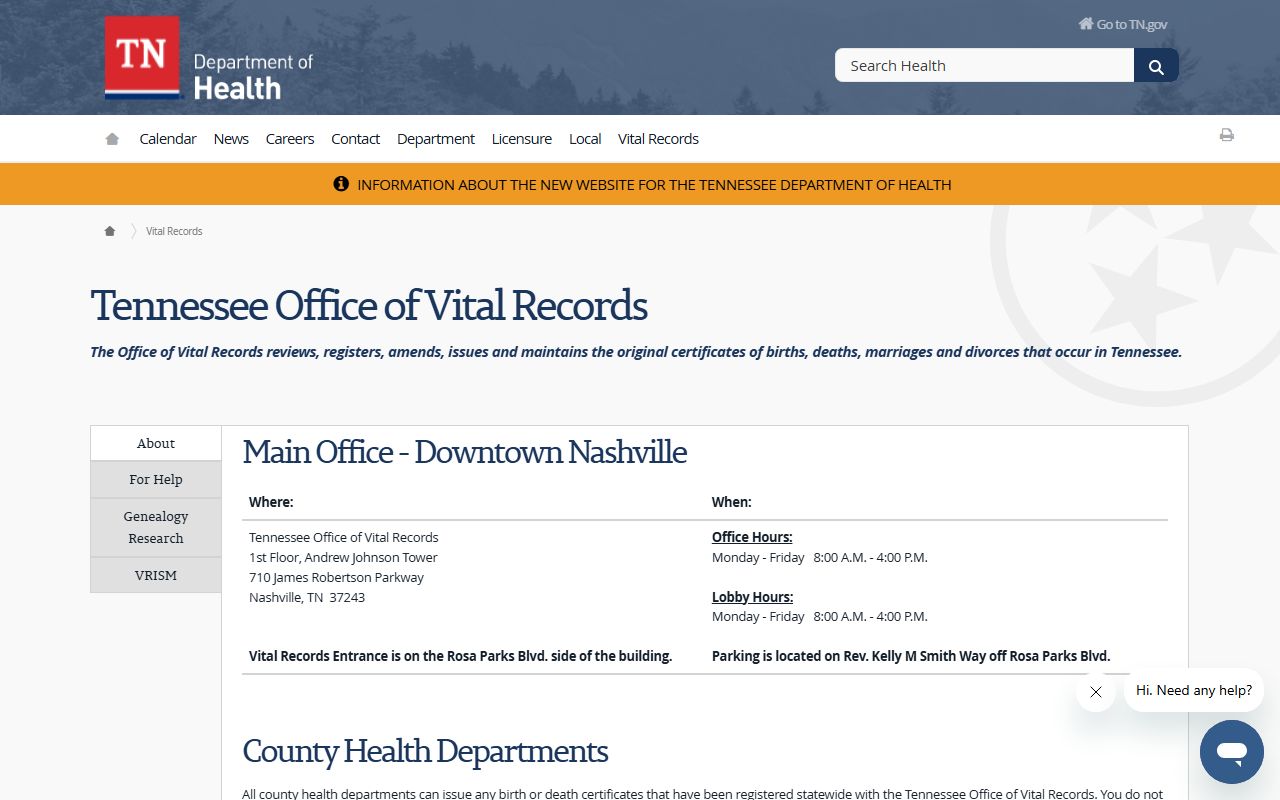
That page is useful when you want the county process explained by the state office.
The how-to page at How do I get my certificate lays out the request methods.
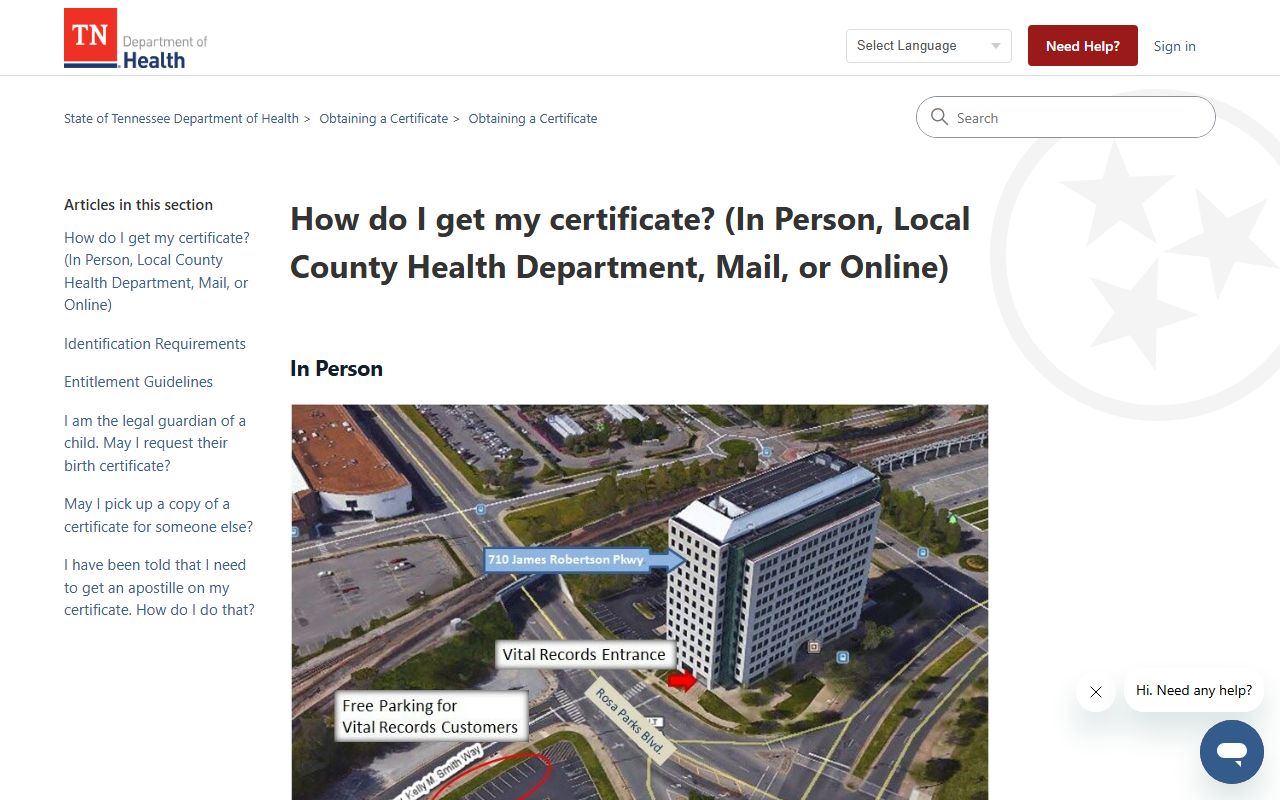
Use it when you are deciding between a visit, a mail request, or an online order.
The entitlement page at Entitlement Guidelines explains who may request a recent death certificate.
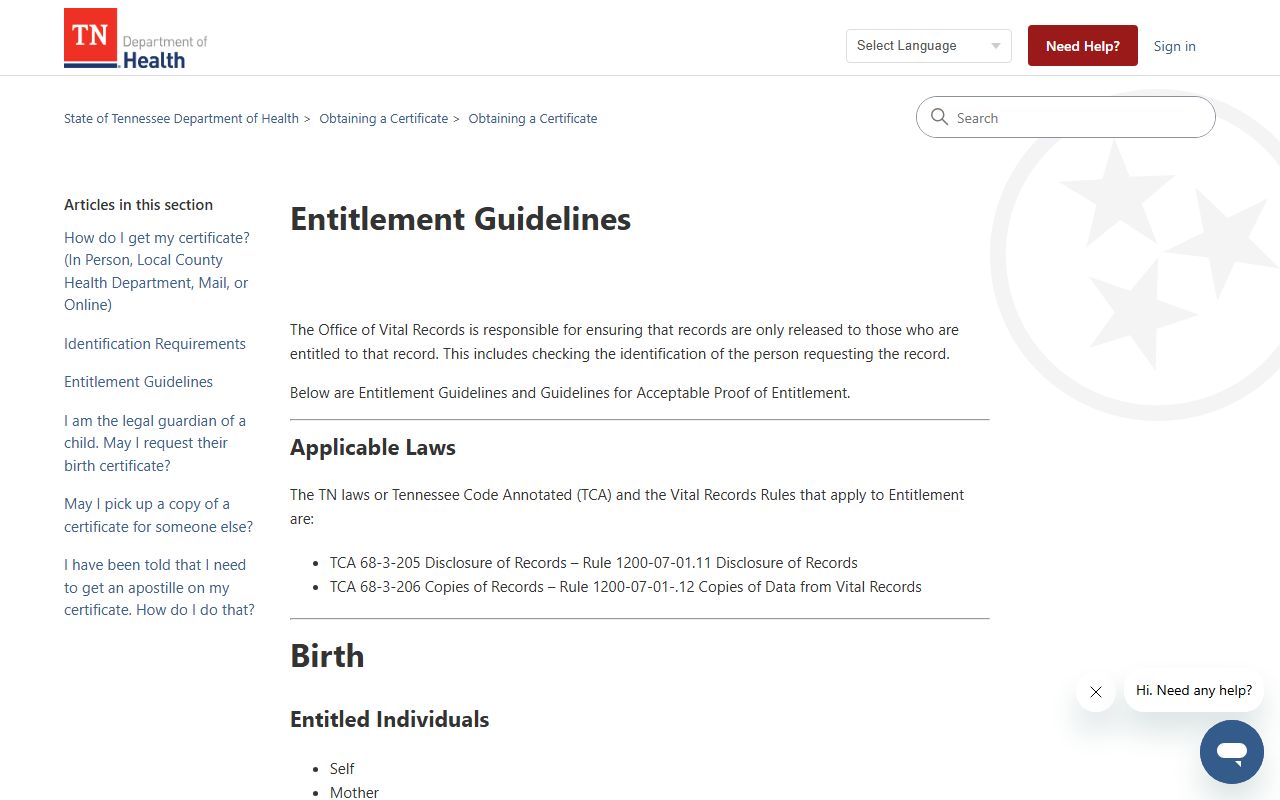
That matters when the record is still inside the restricted period.
For a county-specific archive starting point, the TSLA Smith County Guide at sos.tn.gov/tsla/history/county/factsmith points to Smith County death records from 1908-1912 and 1914-1975. That makes it a useful bridge between the local offices in Carthage and the older records that have already moved into the state collection.
Smith County Death Index and Archives
Older Smith County Death Index work moves to TSLA. TSLA maintains death records for Smith County from 1908-1912 and 1914-1975, which makes the archives a key part of family history and proof of death. If the county office cannot provide the older copy, TSLA can often fill the gap. The index helps you decide which side of the record line you are on.
The TSLA vital records guide at TSLA vital records guide explains how older records become public.
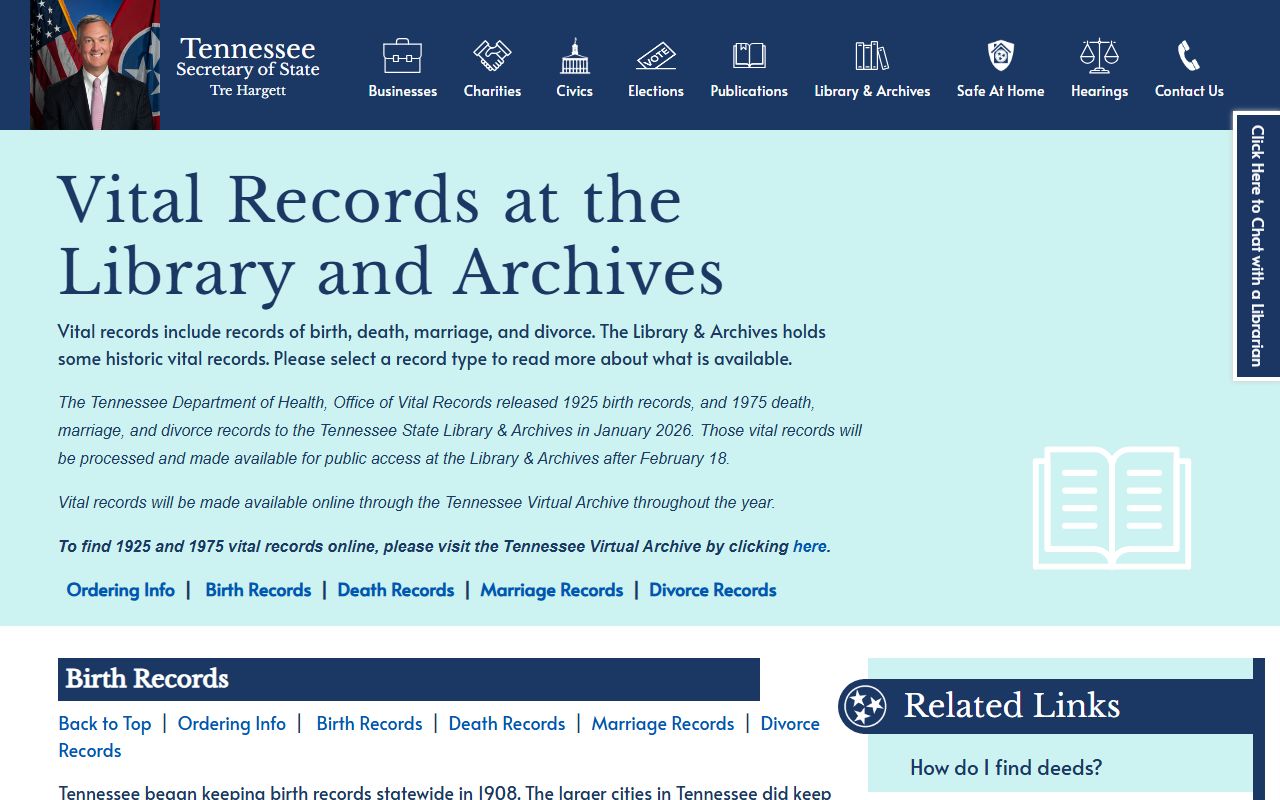
That guide is the clearest explanation of the public record transfer.
The archives site at sos.tn.gov/tsla is the main historical search portal.

It is the right place when the county office cannot supply the older copy.
The genealogy page at genealogy research is useful when you need a broader family search.
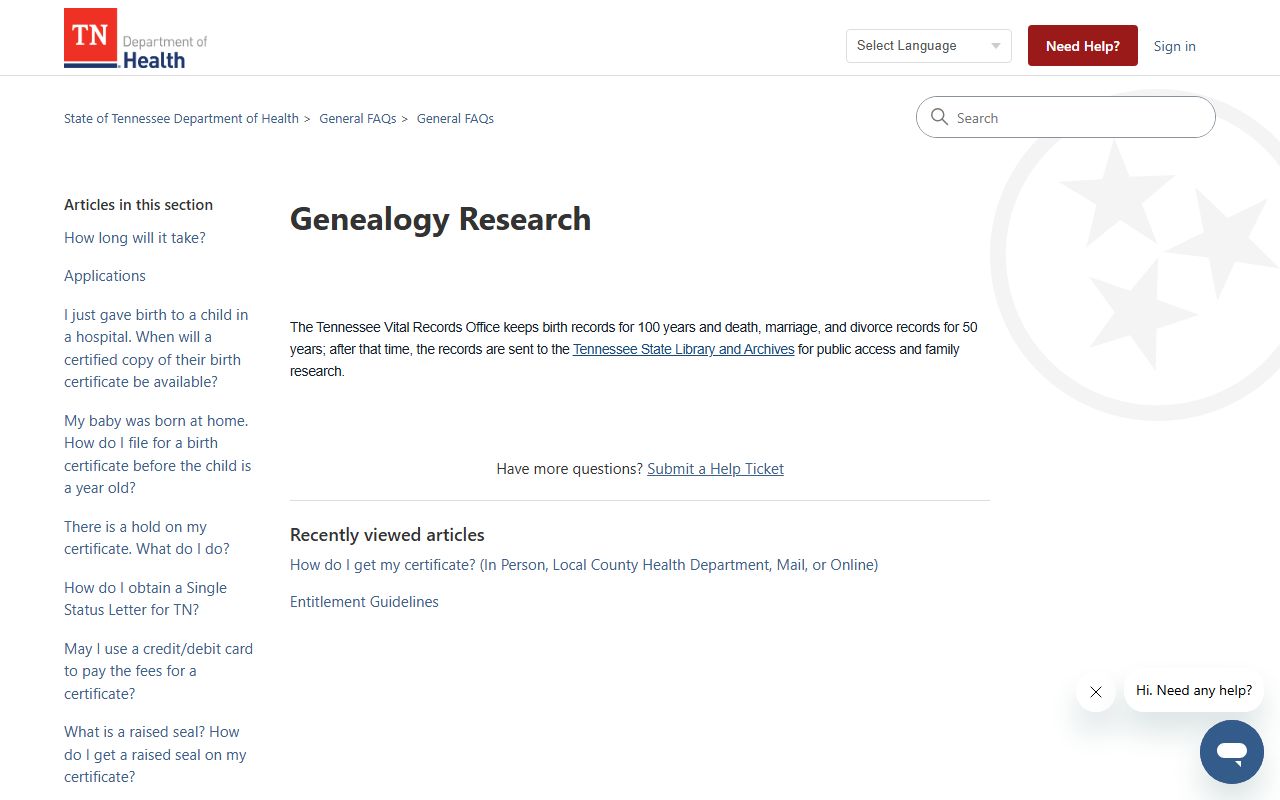
It helps when the same surname shows up in multiple county records.
The Tennessee Code Annotated page at Tennessee Code Annotated explains the legal rules behind access and privacy.
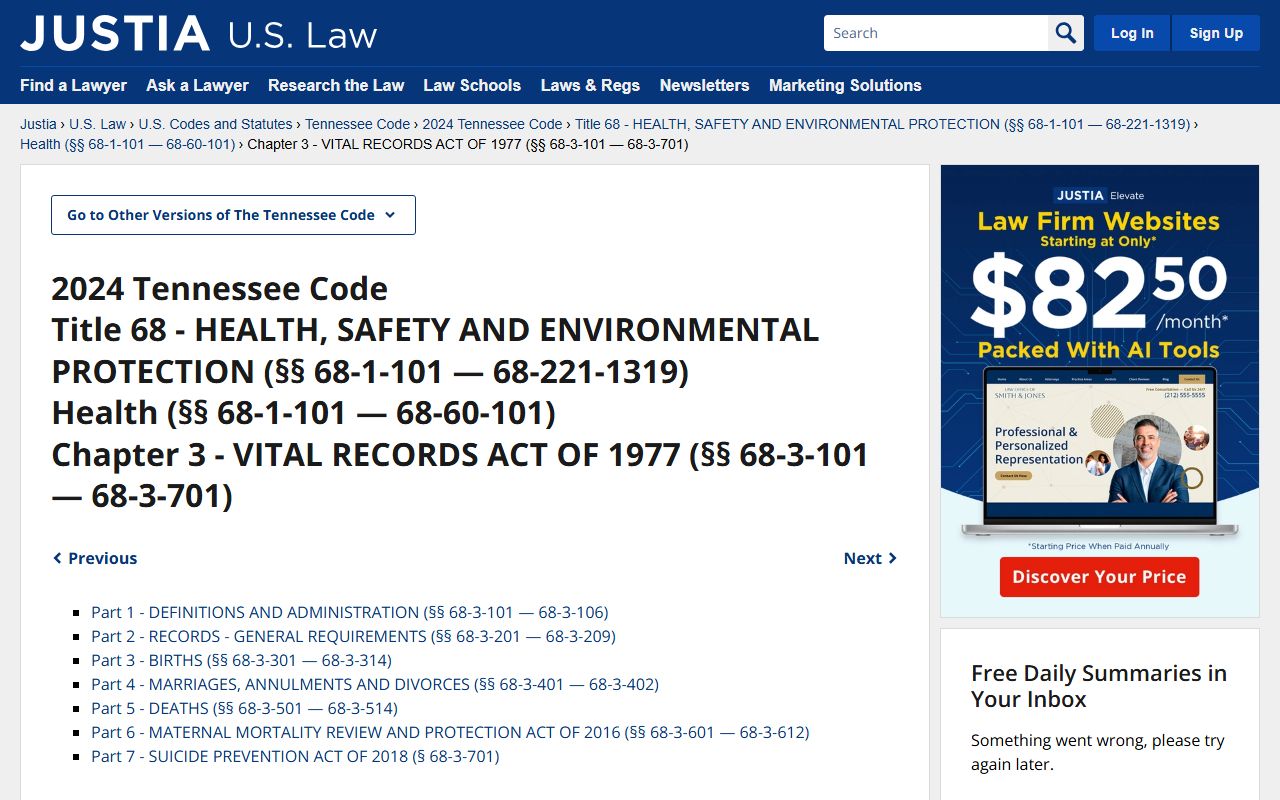
That legal context matters when the office needs to check eligibility before releasing the record.
The same Smith County Guide at TSLA is also the quickest way to confirm that the county's older death records follow the statewide registration years. If you are working from a burial notice, a family story, or a worn cemetery entry, that guide gives the county-specific context needed to decide whether the result belongs in Carthage or in Nashville.
Smith County Death Index Search Steps
Begin with the person’s name, then add a year if you know it. If you can add a spouse or town, do it. A Smith County Death Index search works best when the clues are simple and specific. That keeps the result set small and useful.
Recent records belong with the county health department. Older records belong with TSLA. The county clerk can still help with general direction, but the record age should decide the office. That simple rule makes the search easier in Smith County.
If the first result misses, widen the date range or try a second spelling. The Smith County Death Index is most useful when it moves you to the next step instead of pretending to be the final answer.
Smith County Death Index Copies
For recent deaths, the county health department is the local route. It can issue Tennessee death certificates through the statewide electronic system. That is useful when the death happened anywhere in the state and the family still wants to work through Carthage.
For older deaths, TSLA is usually the better source. The historical set for Smith County covers the early statewide registration years and the later public years, so it can give you details the county office cannot. If the Death Index entry is old enough, the archive copy is often the fastest way to move forward.
Note: Bring proof of entitlement if the record is still within the restricted period.
If the certificate is not the end goal, the Smith County Clerk can still help you identify the county route for related filings and paperwork. That is especially useful when a search begins with a surname and no exact date, because the clerk, the health department, and TSLA each answer a different part of the same question.
Smith County Death Index Tips
Old records can shift names a little. That is normal. If the Smith County Death Index gives you an odd match, try a spouse name, a burial place, or a different year. Small adjustments can make the search work fast.
Keep the search split by age. County health department for recent. TSLA for old. That is the clearest way to avoid wasting time. It also keeps the Death Index useful as a guide to the right office.
Smith County rewards a simple path: index first, office second, archive if needed. That is usually enough to get the record you want.